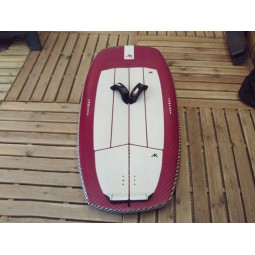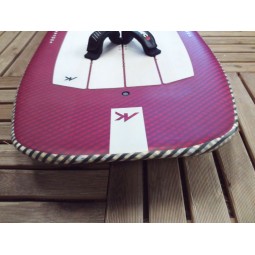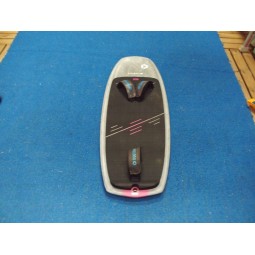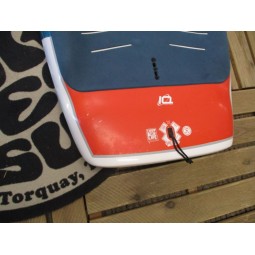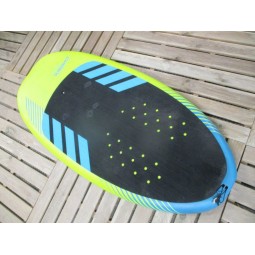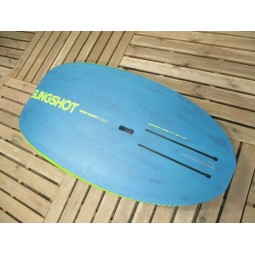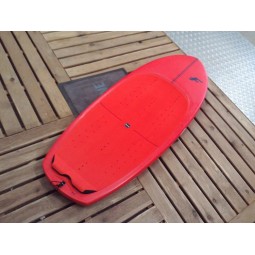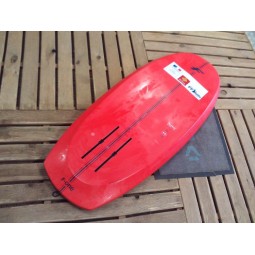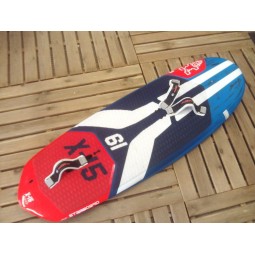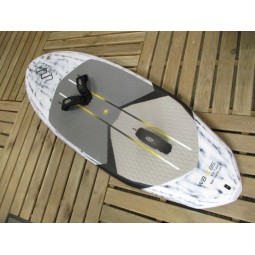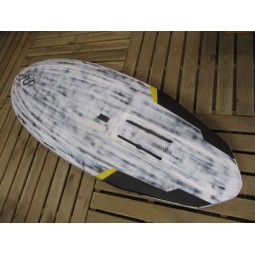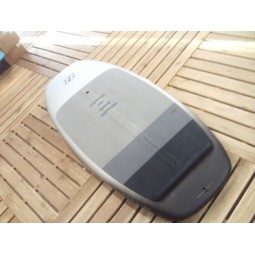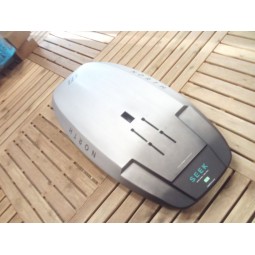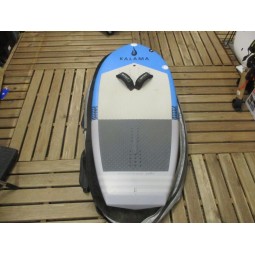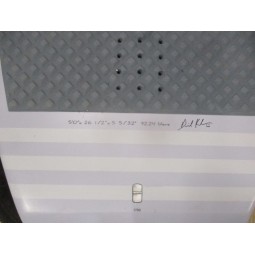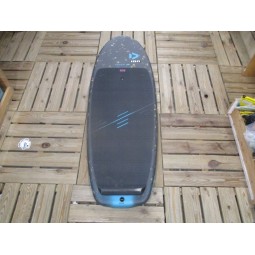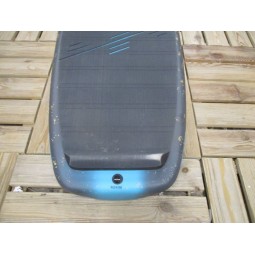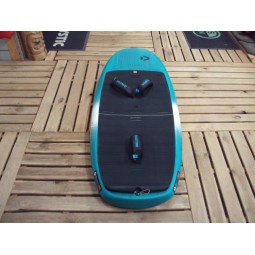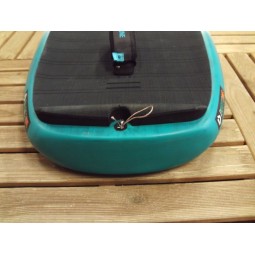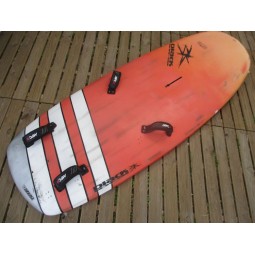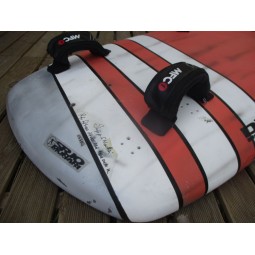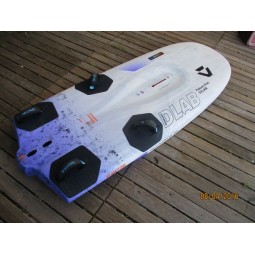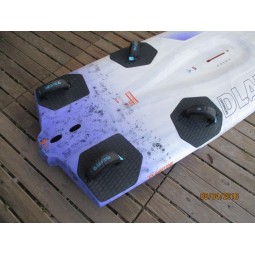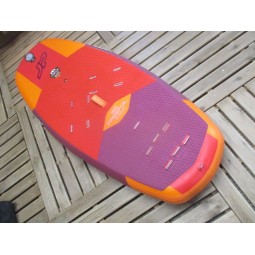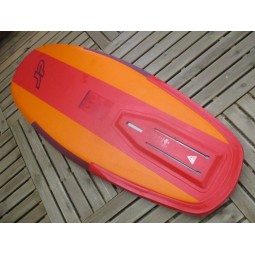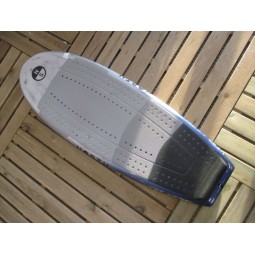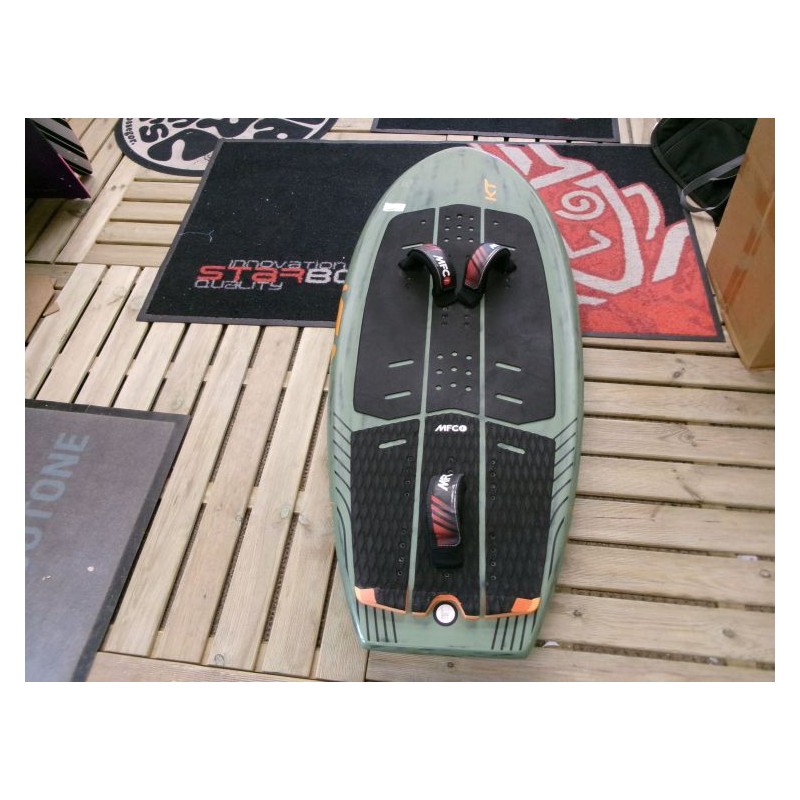
Flotteur Wing Foil occasion KT Surfing GINXU 4'8'' x 22''1/2 - 54 L 2023
  • Flotteur Wing Foil occasion KT Surfing GINXU 4'8'' x 22''1/2 - 54 L 2023
  • Flotteur Wing Foil occasion KT Surfing GINXU 4'8'' x 22''1/2 - 54 L 2023
  • Flotteur Wing Foil occasion KT Surfing GINXU 4'8'' x 22''1/2 - 54 L 2023
  • Flotteur Wing Foil occasion KT Surfing GINXU 4'8'' x 22''1/2 - 54 L 2023
  • Flotteur Wing Foil occasion KT Surfing GINXU 4'8'' x 22''1/2 - 54 L 2023
  • Flotteur Wing Foil occasion KT Surfing GINXU 4'8'' x 22''1/2 - 54 L 2023
  • Flotteur Wing Foil occasion KT Surfing GINXU 4'8'' x 22''1/2 - 54 L 2023
  • Flotteur Wing Foil occasion KT Surfing GINXU 4'8'' x 22''1/2 - 54 L 2023
0

Flotteur Wing Foil occasion KT Surfing GINXU 4'8'' x 22''1/2 - 54 L 2023

390,00 €
TTC
KT Surfing : GINXU 2022/2023
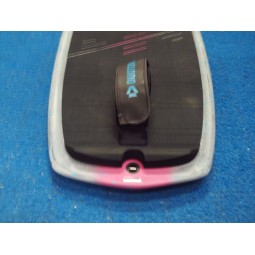
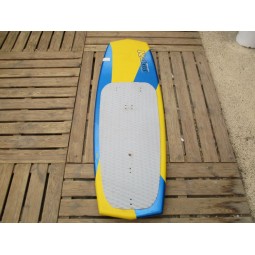
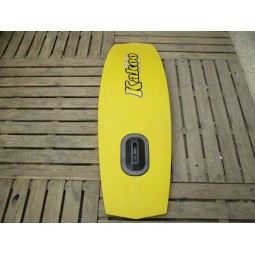
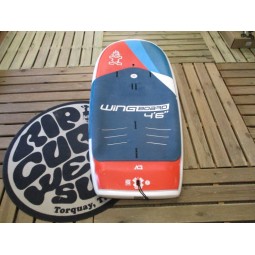
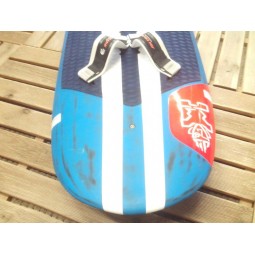
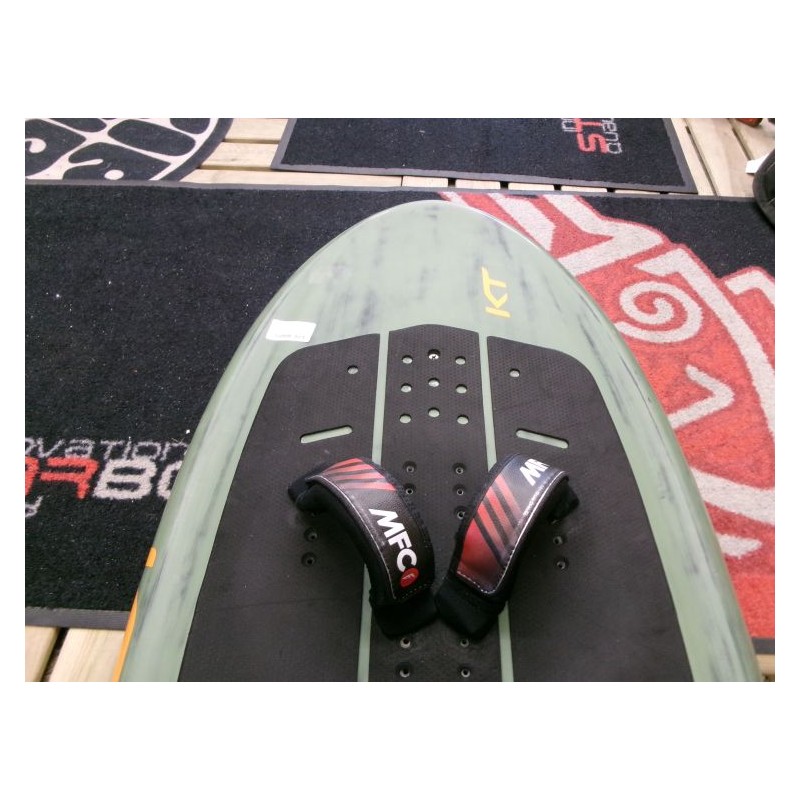
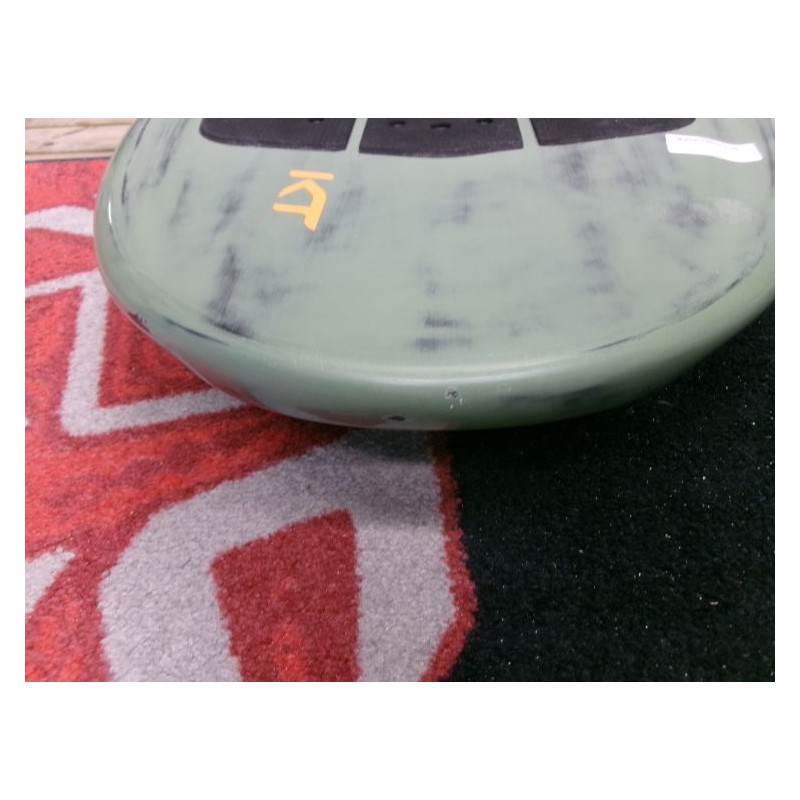
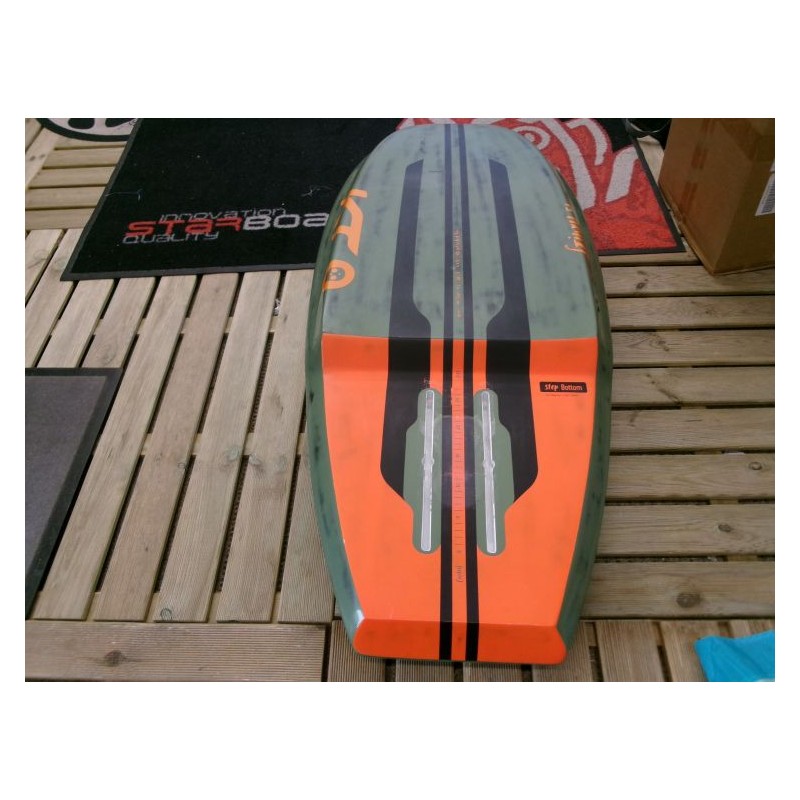
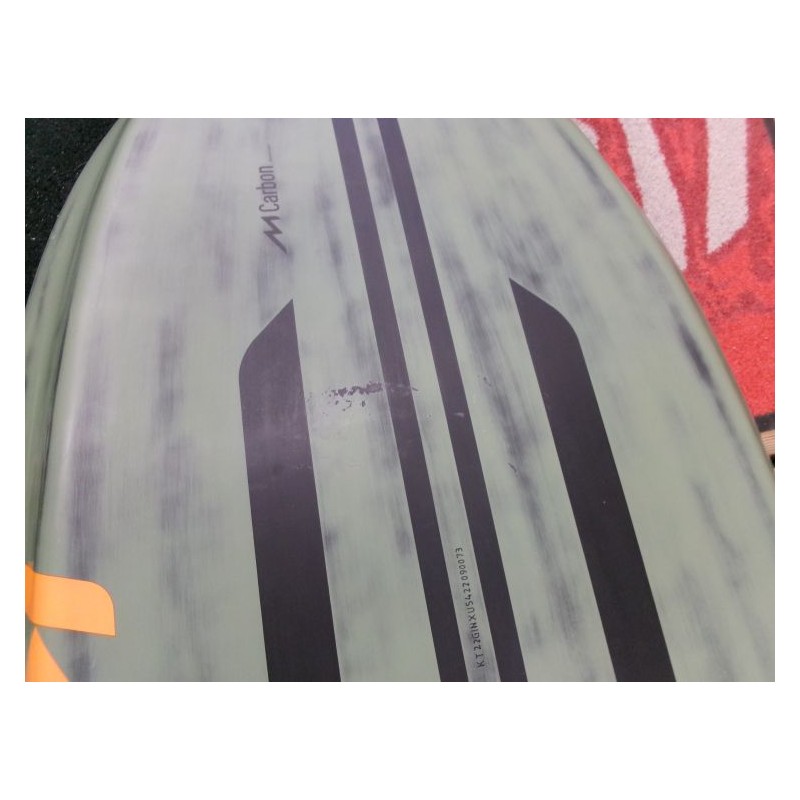
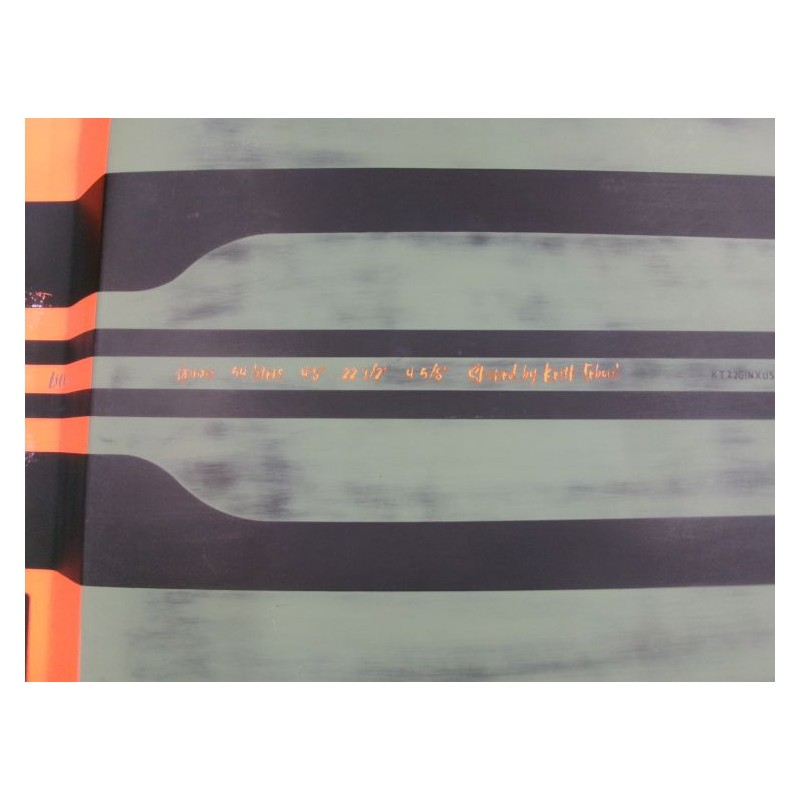
Super état. Petites traces de frottement sur le nez. Très superficiel !
RAS.

3 EN 1
Pronounced: |ˈɡin-so͞o|
Kai Lenny: « La plus grande chose qui soit arrivée au foil depuis le foil. »
Keith Teboul : « La gamme Ginxu marque un nouveau chapitre dans les foilboards pour la haute performance et la facilité d’utilisation. Nous sommes époustouflés et nous devenons de plus en plus agréablement surpris à chaque fois que nous la ridons. »
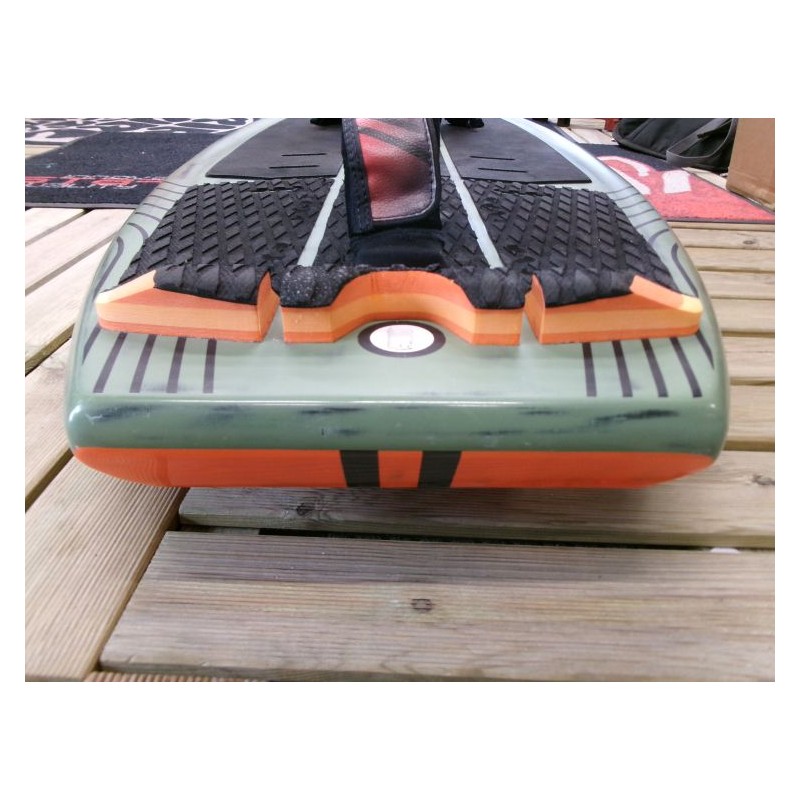
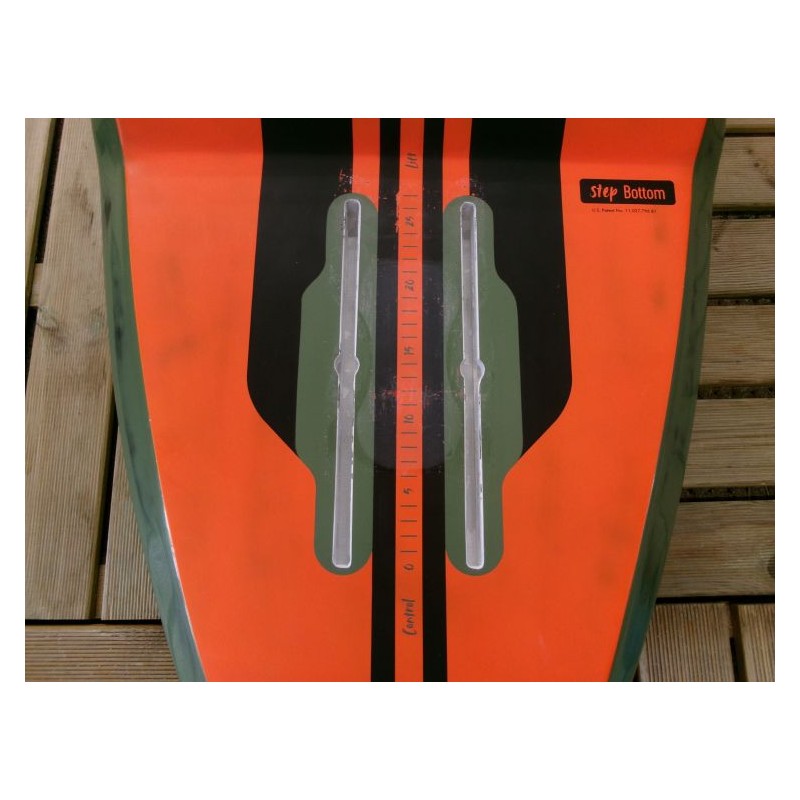
Le design révolutionnaire du Ginxu comprend le Step Bottom (breveté), une découpe sur tout le 1/3 arrière inférieur de la planche, y compris le boitier.
Cela crée une connexion sans précédent au foil, en fait la connexion la plus directe de toutes les board de foil à ce jour. C’est comme le contrôle de la gravité. Pour ...
Taille
Quantité
Derniers articles en stock

KT Surfing : GINXU 2022/2023
Super état. Petites traces de frottement sur le nez. Très superficiel !
RAS.

3 EN 1
Pronounced: |ˈɡin-so͞o|
Kai Lenny: « La plus grande chose qui soit arrivée au foil depuis le foil. »
Keith Teboul : « La gamme Ginxu marque un nouveau chapitre dans les foilboards pour la haute performance et la facilité d’utilisation. Nous sommes époustouflés et nous devenons de plus en plus agréablement surpris à chaque fois que nous la ridons. »
Le design révolutionnaire du Ginxu comprend le Step Bottom (breveté), une découpe sur tout le 1/3 arrière inférieur de la planche, y compris le boitier.
Cela crée une connexion sans précédent au foil, en fait la connexion la plus directe de toutes les board de foil à ce jour. C’est comme le contrôle de la gravité. Pour les touchettes, il réduit la prise d'eau et la décélération conduisant à rester coincé ou à tomber, car lorsque le fond de la planche retouche l’eau, la section arrière et le foil sont toujours « aéroportés », de sorte que vous pouvez facilement décoller. Le plus surprenant de tout, cela le rend incroyablement facile à décoller initialement, car au moment où vous obtenez un peu de vitesse sur l’eau et que la planche commence à remonter à la surface de l’eau, même si les 2/3 avant du fond de la planche sont toujours dans l’eau, le foil est déjà hors de l’eau et vole, créer un Ultra Boost, vous permettant d’aller beaucoup plus vite que les conceptions traditionnelles.
Voici l’histoire complète de la façon dont le Step Bottom (breveté) est né: Les besoins exigent un changement, et à l’été 2020, Kai est venu à Keith ayant besoin de trois choses. 1. plus de contrôle de son foil 2. moins de prises lors de l’atterrissage à partir de manœuvres radicales et 3. encore moins de poids.
Cela a toujours présenté un catch-22. Étirez une planche en longueur afin qu’elle soit plus mince et donc plus proche du foil, et la configuration devienne beaucoup moins agile. Optez pour une forme compacte, ajoutez des découpes lorsque cela est possible, et vous avez une carte plus agile mais moins de connexion au foil, et aussi plus de volume.
Elliot Leboe, waterman de longue date et pionnier de la planche à voile, kiteboarder et maintenant foiler, est l’un des meilleurs vidéastes de Maui et un pilote de R&D KT. Il a accumulé plus d’images de foilers dans plusieurs disciplines que probablement n’importe qui. Après avoir regardé des heures de séquences de foil pour divers projets, Elliot a remarqué que la plupart du temps, lorsque les gens piquent du nez, ce n’est pas parce que la planche est courte, mais que lorsque la planche atterrit, la partie arrière « tient » la planche, et donc avec l’élan, le pilote vole au-dessus de l’avant.
Ses images ont validé l’idée initiale de Keith de retirer la section inférieure arrière et ont confirmé la nécessité d’ajouter des rails plus nets sur la section biseautée inférieure, de sorte que, comme une planche de course, les rails se libèrent immédiatement de l’eau, ce qui permet de décoller avec le moins de frottement possible.
L’idée était née. Keith a immédiatement créé des prototypes dans les tailles 25/35/80/110 L. L’équipe d’essai de Keith, Kai, Elliot et Casey a couru à travers le champ de tir, chassant des endroits à travers Maui où personne ne pouvait les voir, apportant parfois des sacs de planche dans l’eau, ou si quelqu’un passait sur un downwinder, sortant du foil et coulant la planche, afin que personne ne puisse voir le fond. Mission furtive.
Nous étions tous hallucinés. Kai a immédiatement commencé à tirer des combos avec plus de vitesse et de fluidité que jamais auparavant. Keith et Elliot ne pouvaient pas croire à quel point le foil devenait réactif. Et Casey, en ailer et en souffler les plus grandes tailles, n’arrêterait pas à quel point ces planches ont décollé plus vite.
Le talon d’Achille de ces prototypes était la construction et la durabilité. La découpe a fait un point faible évident, et Kai l’a trouvé assez rapidement, prenant ses premiers prototypes. De retour à l’usine, Keith, Thierry, Byran et Mike ont réalisé qu’en fabriquant le noyau de la planche de mousse haute densité, plutôt que de la mousse standard, ils créeraient une structure de base beaucoup plus solide et augmenteraient encore plus la réactivité de la planche. Ils avaient atteint une durabilité impressionnante. Sandwich en PVC complet, construction monocoque en carbone, verre S, pas exactement vos normes en matière de board de foil. Kai a été appelé, et ces prototypes suivants ont non seulement été à la hauteur de ce qu'il voulait, mais la performance avait été encore augmentée. Bénéficiant de nos connaissances dans les constructions de planche à voile, nous sommes en mesure de réaliser une planche qui dure simplement, point final.
Le Ginxu est encore jeune, mais ses avantages ont déjà été prouvés à plusieurs reprises. C’est audacieux, c’est nouveau, et cela redéfinira la prochaine génération de ce qui est possible dans le foiling. Tous les coureurs de KT Surfing disent la même chose : quand puis-je obtenir la mienne ?
Construction monocoque ultra carbone.
Hyper Skin HD
Disponible en 26, 32, 39, 46, 54, 62, 72, 82, 92, 105, 120 litres.
Futures 10.75 " boitier d'ailerons, Livré sans foil.
Disponible en vert Olive / Neon Orange.


Kai Lenny: “The biggest thing to happen to foiling since foiling.”
Keith Teboul: “The Ginxu range marks a new chapter in foilboards for both high performance riding and entry level ease of use. We’re mindblown, and keep getting more psyched every time we ride them.”
The Ginxu’s revolutionary design features the Step Bottom (patented), a cutout on the entire bottom rear 1/3 of the board, including the foil box. This creates an unprecedented connection to the foil, in fact the most direct connection of any foilboard to date. It’s like Gravity Control. For touchdowns, it reduces catching and deceleration leading to getting stuck or falling, because when the bottom of the board now recontacts the water, the rear section and foil are still ‘airborne,’ so you receive Automatic Lift and can easily take back off. Most surprisingly of all it makes it incredibly easy to initially take off, because the moment you get a little bit of speed on the water and the board starts to rise to the waters’ surface, even though the front 2/3rds of the bottom of the board is still in the water, the foil is already out of the water and flying, creating an Ultra Boost, getting you going much quicker than traditional designs.
This is the full story of how the Step Bottom (patented) came about: Needs demand change, and in the summer of 2020, Kai came to Keith needing three things. 1. more control of his foil 2. less catch when touching down from radical maneuvers and 3. even less swing weight.
This has always presented a catch-22. Stretch a board out in length so that its thinner and therefore a closer connection to the foil, and the setup becomes much less agile. Go with a compact shape, add cutouts where possible, and you have a more agile board but less connection to the foil, and also more bulk. But Keith already ad an idea in mind.
Elliot Leboe, longtime waterman and pioneer windsurfer, kiteboarder, and now foiler, is one of the top videographers on Maui and a KT R&D rider. He’s accumulated more footage of foilers across multiple disciplines than probably anyone. After watching hours of foiling footage for various projects, Elliot noticed that most of the time when people nosedive, it’s not because the board is short, but that when the board touches down, the rear section ‘holds’ the board, and so then with the momentum, the rider goes flying over the front.
His footage validated Keith’s initial idea of removing the rear bottom section, and confirmed the need to add sharper rails on the bottom beveled section, so that like a race board, the rails would immediately release from the water, making it possible to take off with as little friction as possible.
The idea was born. Keith immediately created prototypes in the 25/35/80/110 L sizes. The testing team of Keith, Kai, Elliot and Casey proceeded to run through the range, hunting locations across Maui where no one could see them, sometimes bringing board bags into the water, or if someone passed by on a downwinder, coming off foil and sinking the board, so no one could see the bottom. Stealth mission.
We were all mindblown. Kai right away started pulling combos with more speed and flow than ever before. Keith and Elliot couldn’t believe how responsive the foil was now becoming. And Casey, winging and windfoiling the bigger sizes, wouldn’t stop how much faster these boards took off.
The Achilles heel of these prototypes was the construction and durability. The cutout made an obvious weak point, and Kai found it pretty quickly, snapping his first few prototypes. Back at the factory, Keith, Thierry, Byran and Mike realized that by making the core of the board high density foam, rather than standard foam, they’d create a much stronger base structure, and increase the responsiveness of the board even more. They had achieved ultra tight durability. Full PVC Sandwich, Carbon Monocoque Construction, S-Glass, not exactly your standards in foilboards. Kai was called, and these next prototypes not only lived up to his vehement beatings, but the performance had been increased yet again. Benefiting off of our knowledge in windsurfing constructions, where waveboards withstand double forward loops, we are able to achieve a board that simply lasts, period.
The Ginxu is still young, but its advantages have been repeatedly proven already. It’s bold, it’s new, and it will redefine the next generation of what’s possible in foiling. Every KT Surfing rider says the same thing: When can I get mine?
Ultra Carbon Monocoque Construction.
Hyper Skin HD
Available in 26, 32, 39, 46, 54, 62, 72, 82, 92, 105, 120 liters.
Futures 10.75” Fin Boxes, Comes without foil
Available in Olive & Neon Orange.

Volume Longueur Largeur Boitier Aileron Surface Voile
544'8''22''1/22 US-BOX n.c
209379

Fiche technique

Collection
2023
Modèle
GINXU
Programme
Foil
Type
Flotteur Wing Foil
Rigide

Références spécifiques

Utilisé
Commentaires (0)